Get Subfloor Replacement
Subfloor replacement services help property owners repair or replace damaged, rotted, or uneven subfloors during remodeling, repair, or renovation projects.
Property owners considering subfloor replacement often face the challenge of ensuring their homes remain safe, stable, and comfortable. Over time, subfloors can deteriorate due to moisture, age, or structural issues, leading to uneven surfaces, creaking floors, or even potential damage to finished flooring above. Exploring local contractor options can help identify practical solutions to restore a property's integrity, whether for ongoing maintenance or preparing a space for new flooring installations.
Comparing local service providers allows property owners to find experienced contractors capable of handling subfloor replacement projects efficiently. Accessing a range of options ensures that planning efforts are well-informed, helping to select professionals who can deliver quality work tailored to the specific needs of a property. Continuing to explore the available local services can make the process of planning and executing a subfloor replacement more straightforward and manageable.
- Subfloor Replacement - needed when the existing subfloor has suffered water damage or rot that compromises structural integrity.
- Subfloor Repair - required if the current subfloor has developed mold, warping, or significant cracks affecting floor stability.
- Subfloor Installation - necessary during home renovations or new flooring projects that demand a fresh, level subfloor surface.
- Subfloor Inspection - advised when experiencing uneven flooring, squeaks, or persistent creaking sounds indicating underlying issues.
- Subfloor Restoration - appropriate after flood or storm damage to restore a safe and solid foundation for new flooring.
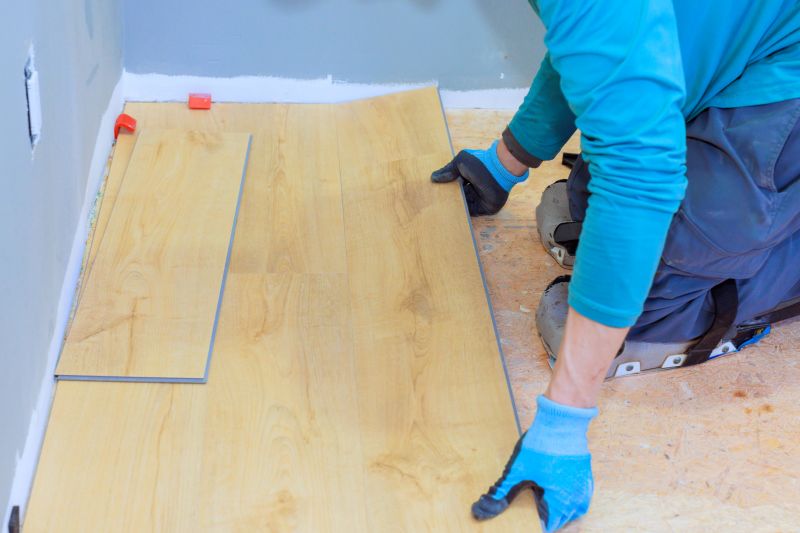
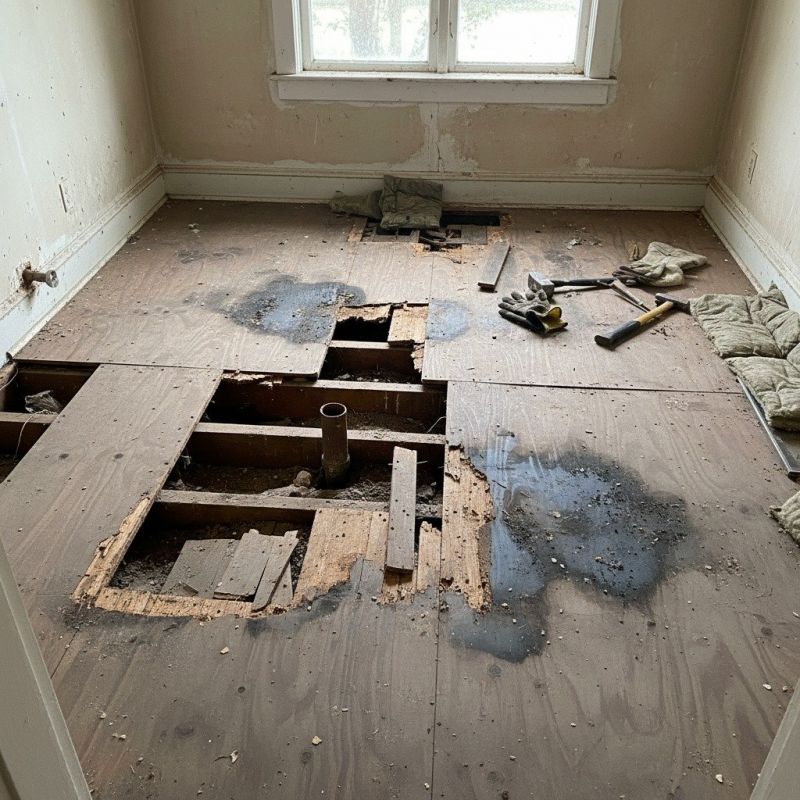
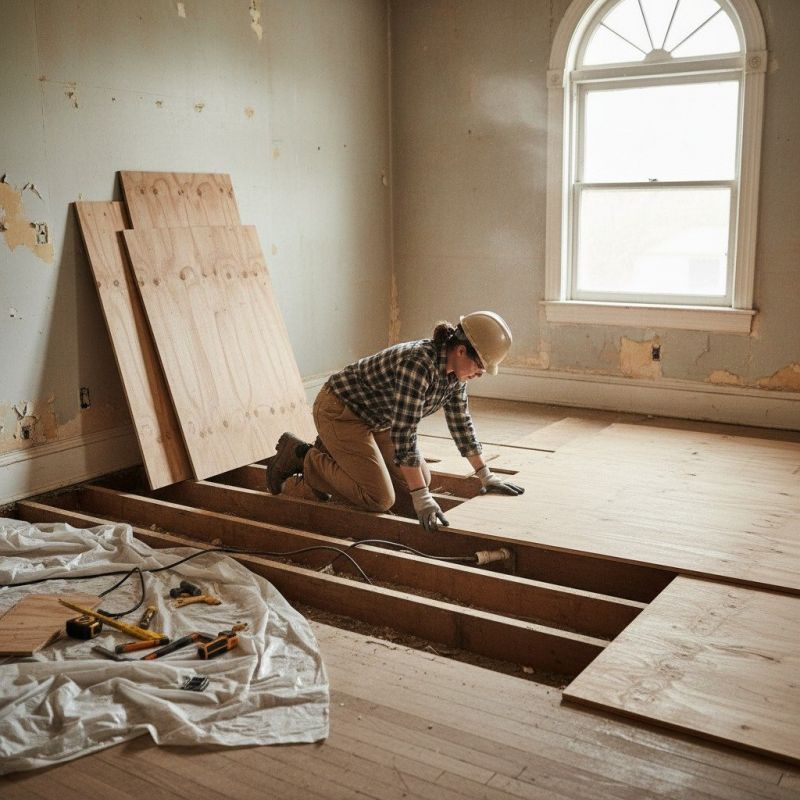
Subfloor replacement services involve removing and installing new subflooring beneath the finished flooring in a property. This process typically begins with the careful removal of the existing subfloor, which may be damaged, rotted, or compromised by moisture or pests. Once the old material is taken out, a new subfloor is installed to provide a stable, level foundation for the finished flooring surface. Skilled service providers ensure that the new subfloor is properly secured and prepared to support the weight and wear of everyday use, helping to restore the structural integrity of the flooring system.
This service addresses a variety of common problems that can affect a property’s flooring. Over time, subfloors can develop issues such as warping, sagging, or rotting due to moisture intrusion or leaks. These problems can lead to uneven flooring, creaking sounds, or even safety hazards like tripping. Additionally, damaged subfloors can contribute to mold growth or pest infestations if not addressed promptly. Subfloor replacement helps eliminate these issues, creating a safer, more durable foundation for the finished floors and preventing further structural damage.
Properties that typically require subfloor replacement include older homes with signs of water damage, homes experiencing persistent squeaks or uneven flooring, and properties that have suffered from flooding or leaks. It is also common in renovation projects where existing flooring is being removed or upgraded, revealing underlying damage. Commercial buildings, rental units, and residential homes alike may need this service to maintain safety and structural stability. Service providers can assess the condition of the subfloor and recommend the appropriate course of action to ensure the property remains safe and functional.
Homeowners who notice issues like sagging, creaking, or visible damage beneath their flooring should consider consulting local contractors about subfloor replacement. This service can help resolve problems caused by moisture, age, or structural wear, ultimately extending the life of the flooring system. By working with experienced service providers, property owners can ensure that the subfloor is properly repaired or replaced, providing a solid foundation for the finished floors and improving the overall safety and stability of the property.
The overview below groups typical Subfloor Replacement projects into broad ranges so you can see how smaller, mid-sized, and larger jobs often compare in your area.
In many markets, a large share of routine jobs stays in the lower and middle ranges, while only a smaller percentage of projects moves into the highest bands when the work is more complex or site conditions are harder than average.
Smaller Repairs - typical costs for minor subfloor repairs range from $250 to $600, covering localized fixes or patchwork. Many routine jobs fall within this range, depending on the extent of damage and materials needed.
Partial Replacement - replacing sections of a subfloor usually costs between $1,000 and $3,000, depending on the size of the area and the complexity of the work. Larger, more involved projects tend to push costs toward the higher end of this range.
Full Subfloor Replacement - complete removal and replacement of a subfloor generally costs from $3,500 to $7,000, with larger or more complex projects reaching higher prices. Most full replacements fall within this middle to upper range based on the home's size and conditions.
Large or Complex Projects - extensive subfloor work, such as in multi-story homes or areas with structural issues, can exceed $10,000. These projects are less common and typically involve additional factors that influence overall costs.
Actual totals will depend on details like access to the work area, the scope of the project, and the materials selected, so use these as general starting points rather than exact figures.
Flooring Installation - Professionals experienced in installing various flooring types often have the skills to remove and replace subfloors as part of the process.
Basement Finishing - Contractors working on basement finishing projects frequently handle subfloor preparation and replacement to ensure a stable foundation for new flooring.
Bathroom Renovations - Bathroom remodeling projects may involve subfloor repair or replacement to address water damage and create a solid surface for new fixtures.
Kitchen Remodels - Kitchen upgrades often require subfloor assessment and replacement to support new cabinetry and flooring installations.
Concrete Floor Repairs - Repair specialists working on concrete flooring may also handle subfloor prep and replacement to achieve a level surface.
Home Renovation Projects - General home renovation contractors frequently perform subfloor replacement as part of larger remodeling efforts to improve structural integrity.
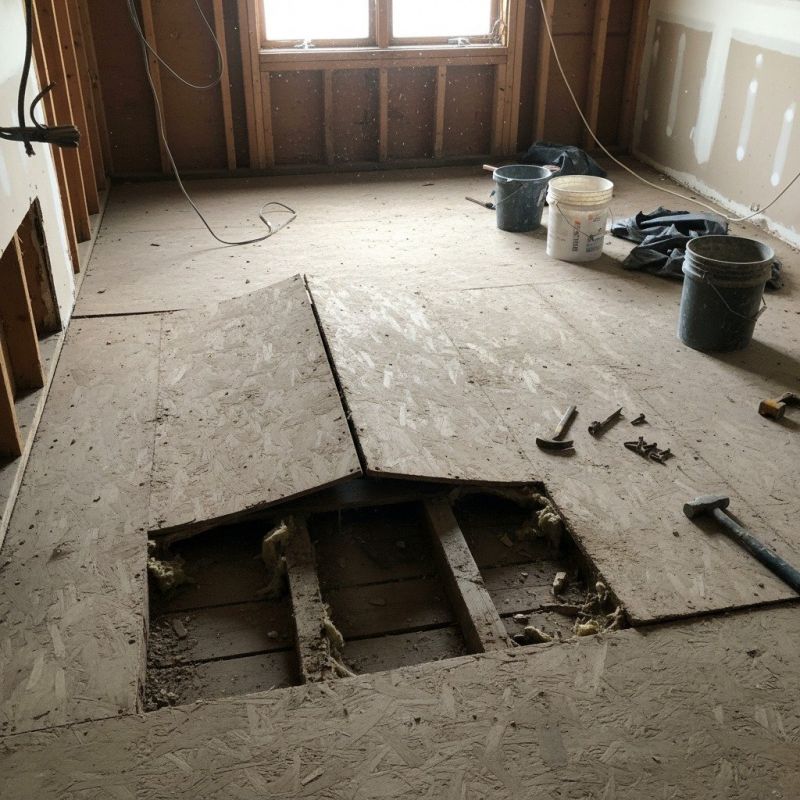
When comparing service providers for subfloor replacement, it’s important to consider their experience with similar projects. Homeowners should look for local contractors who have a proven track record of handling subfloor work in residential settings. Asking about the types of projects they have completed can provide insight into their familiarity with different subfloor materials and installation techniques. A contractor with relevant experience is more likely to understand the unique challenges that may arise and be equipped to deliver quality results.
Clear, written expectations are essential when evaluating potential service providers. Homeowners should seek detailed proposals that outline the scope of work, materials to be used, and any specific steps involved in the subfloor replacement process. This documentation helps ensure all parties are aligned on what will be done and reduces the risk of misunderstandings. Reputable local contractors are typically willing to provide transparent information, making it easier to compare options and select a provider that matches the project’s needs.
Good communication and reputable references are key indicators of a reliable service provider. Homeowners should inquire about how the contractor communicates throughout the project, including updates and responsiveness to questions. Additionally, asking for references from past clients who had similar work completed can offer valuable insights into the contractor’s professionalism and quality of work. While the site introduces homeowners to local options, it’s important to remember that the actual work will be performed by qualified local contractors who can be evaluated based on these criteria.
Property owners use Subfloor Replacement services for practical projects around their homes and businesses. This guide focuses on everyday jobs and straightforward project options.
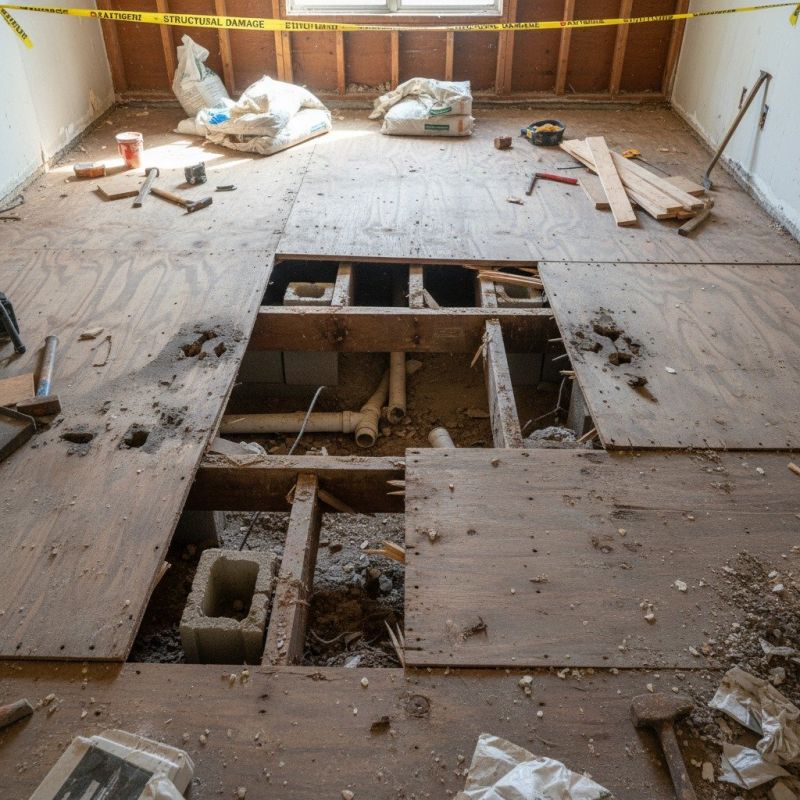
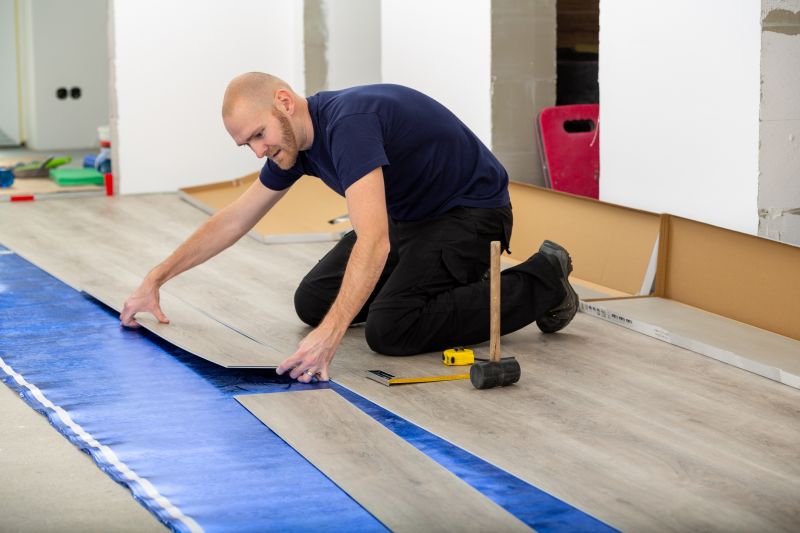
Subfloor replacement services are often needed when property owners notice uneven floors, creaking sounds, or visible damage beneath their existing flooring. These issues can arise from moisture problems, wood rot, or general wear and tear over time. Local contractors specializing in subfloor work can assess the condition of the existing substructure and provide solutions to restore a stable and level foundation for new flooring installations or repairs.
Homeowners and property managers might also seek subfloor replacement during renovations or after water damage incidents. Replacing a compromised subfloor helps improve the safety and durability of the flooring surface, preventing future problems like sagging or mold growth. Local service providers can handle these projects efficiently, ensuring the underlying structure supports the desired flooring type and maintains the property's overall integrity.
What are signs that a subfloor needs replacement? Indicators include sagging floors, creaking sounds, visible damage or warping, and uneven surfaces that cannot be fixed through repairs.
Can subfloor replacement be done in sections or is it a full replacement? Depending on the extent of damage, local contractors can perform partial replacements or full subfloor replacements to suit the specific needs of a space.
What types of flooring materials are compatible with subfloor replacement? Most flooring types, such as hardwood, laminate, tile, and carpet, can be installed on a properly replaced subfloor, which local service providers can help prepare.
How do local contractors ensure the subfloor is properly prepared before installation? They typically assess moisture levels, repair or replace damaged sections, and ensure the surface is level and secure for the new flooring.
Is subfloor replacement necessary for remodeling projects? Yes, replacing the subfloor can be an essential step in remodeling to ensure a stable and durable foundation for new flooring installations.
Subfloor Replacement for Renovations - Property owners planning a home remodel can consider replacing the subfloor to ensure a stable foundation for new flooring installations.
Addressing Moisture Damage - Homeowners noticing signs of water damage or mold can explore subfloor replacement services to improve indoor air quality and prevent further issues.
Preparing for Flooring Installations - Those upgrading their flooring can use subfloor replacement to create a smooth, level surface that enhances the durability and appearance of new flooring materials.
Repair After Structural Issues - Property owners experiencing structural problems or sagging floors might opt for subfloor replacement to restore safety and functionality to their space.
If you are thinking about Subfloor Replacement for a property, this guide is meant to help you understand the work, the typical project types, and how different options might fit your plans.
When you are ready, you can use the quote form on this page to share a few details about your project. From there, local pros can review the basics and respond with options that match what you have in mind.